Raised beds are popular additions to gardens as they offer numerous practical and aesthetic benefits. Whether you benefit from a small urban garden or a large outside space in the countryside, raised beds can work well for you. If you are thinking about treating your garden to a makeover, there are many good reasons to include raised beds.
What is a raised bed?
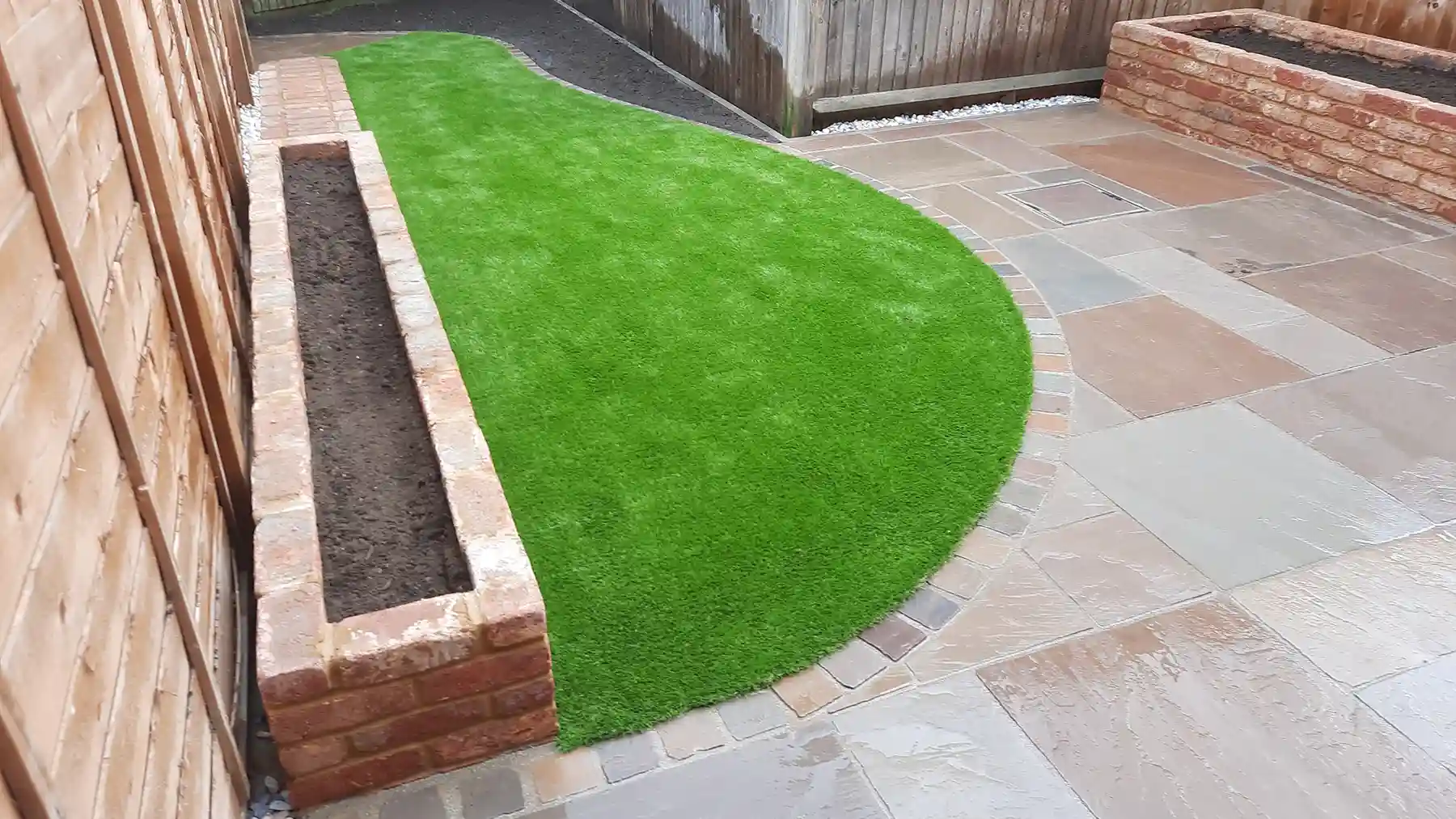
A raised bed is a raised structure, typically made of wood, stone, bricks or concrete blocks, that creates a container. The bed is filled with soil and then planted.
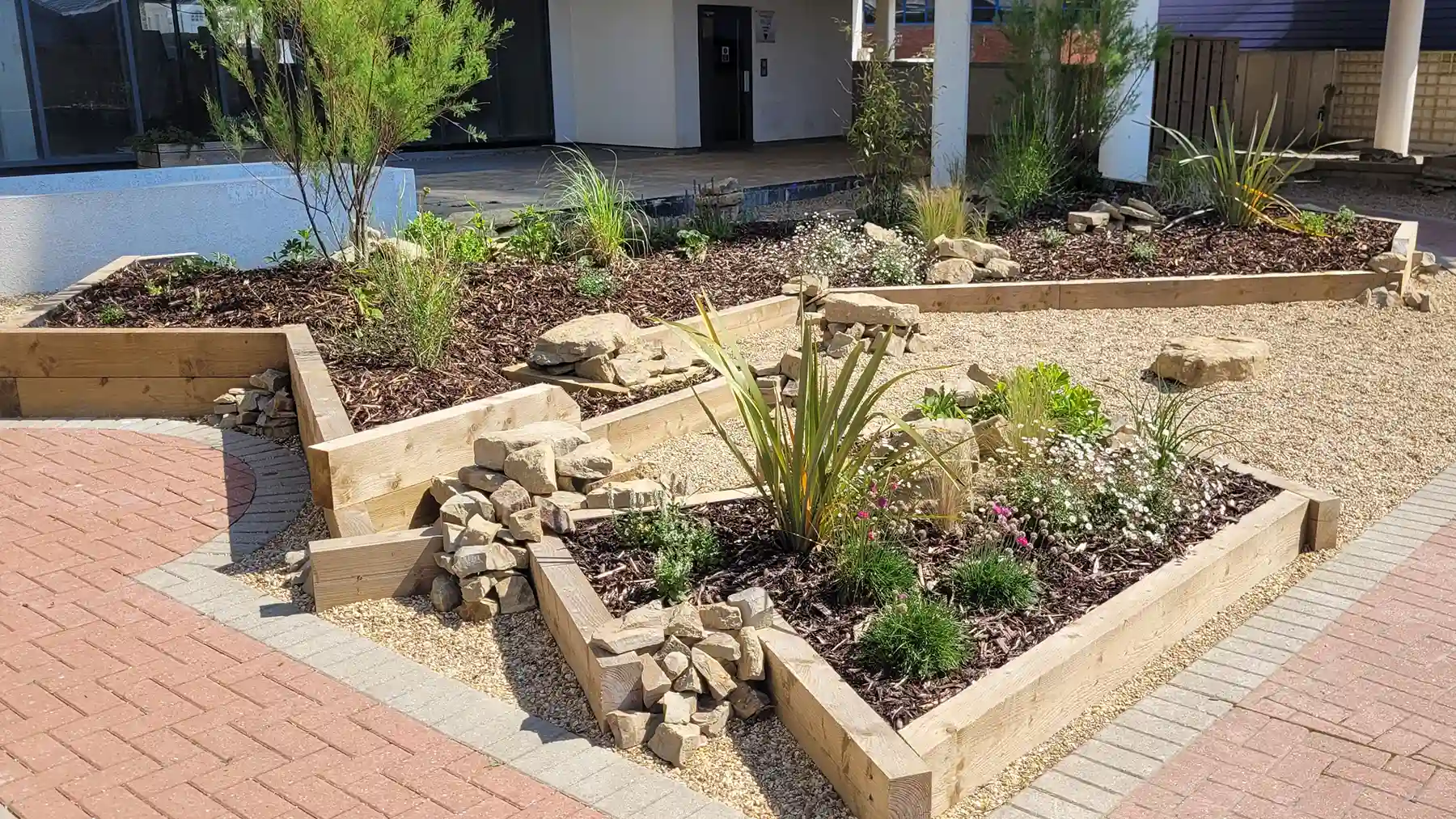
Raised beds can vary in height, size and shape. You can construct raised beds that are just a few inches high or those that rise to several feet above the ground. The dimensions of the beds can also vary, giving you flexibility, and they can be shaped to suit other elements of your garden.
In addition, raised beds can be constructed on a variety of surfaces, including lawns, patios and rooftops, . You could enhance any area of your garden with raised beds.
What are the benefits of raised beds?
- Improved soil quality
One of the biggest advantages of raised beds is the ability to control the nature of the soil. By filling beds with a custom soil mix tailored to the plants you wish to feature, you can improve drainage and nutrient availability while creating the ideal texture for root growth. Raised beds are particularly useful in areas where soil quality is problematic, or soil is compacted.
- Enhanced drainage
If your garden is prone to waterlogging, it can be extremely difficult to grow most types of plants. Waterlogging causes root rot and other diseases. Walled raised beds protect the soil from surface water flooding and enable you to fill them with soil that drains well.
- Weed control
As raised beds are separated from the surrounding ground, they are less prone to weed invasions. Additionally, their confined structures make it easier for you to spot and remove any weeds that do appear. Adding a weed barrier beneath the bed further minimizes the risk of weed growth.
- Planting versatility
Raised beds are suitable for vegetables, flowers, herbs, and even small shrubs. Their versatility means you can adapt them to suit different gardening goals, such as creating a kitchen garden, a pollinator-friendly flower bed, a privacy screen or a decorative centrepiece.
- Accessibility and comfort
Raised beds reduce the need for bending or kneeling when gardening. They are great choices for disabled gardeners, elderly gardeners or those with mobility issues, back pain, or arthritis. The height of the beds can be customized to suit your particular requirements and so you can look forward to gardening in comfort.
- Temperature regulation
The soil in raised beds will generally warm up more quickly in the spring than the rest of the garden. This facilitates earlier planting and can give you a longer growing season. Raised beds also maintain warmth better at night, providing a more stable environment for plants during seasonal transitions.
- Reduced soil erosion
In sloped or hilly gardens soil erosion can be a serious issue. Raised beds can prevent erosion by keeping the soil contained within the structures. This contributes to the retention of nutrients and moisture, ensuring a healthier growing environment.
- Pest and animal control
Elevated beds may prevent certain pests including slugs and snails from reaching your plants. Adding protective covers, mesh, or netting is easier with the defined edges of a raised bed, offering an additional layer of security against critters such as rabbits and deer.
- Space efficiency
For gardeners with limited space, raised beds allow for concentrated planting. This method maximizes productivity by grouping plants close together, ensuring every inch of soil is used efficiently.
- Aesthetic appeal
Raised beds add structure and definition to your garden. They can be arranged and shaped to create a pleasing look whether that be formal or informal. The beds could also be used to define or separate areas of your garden. They can be fashioned from diverse materials including wood, stone, or metal. Each material offers a different look and so you can design raised beds that complement your garden’s style. You could even paint or stain wooden beds to lend colour and interest to your outside space.
- Beds with benefits
By featuring raised beds in your garden, you can give yourself the soil quality and growing conditions you need. The beds could enable you to plant species that otherwise wouldn’t prosper in your garden, and you can certainly elevate the look of your space with raised beds. Especially useful for disabled gardeners or those with health issues, raised beds could transform both your outside space and your enjoyment of it.