
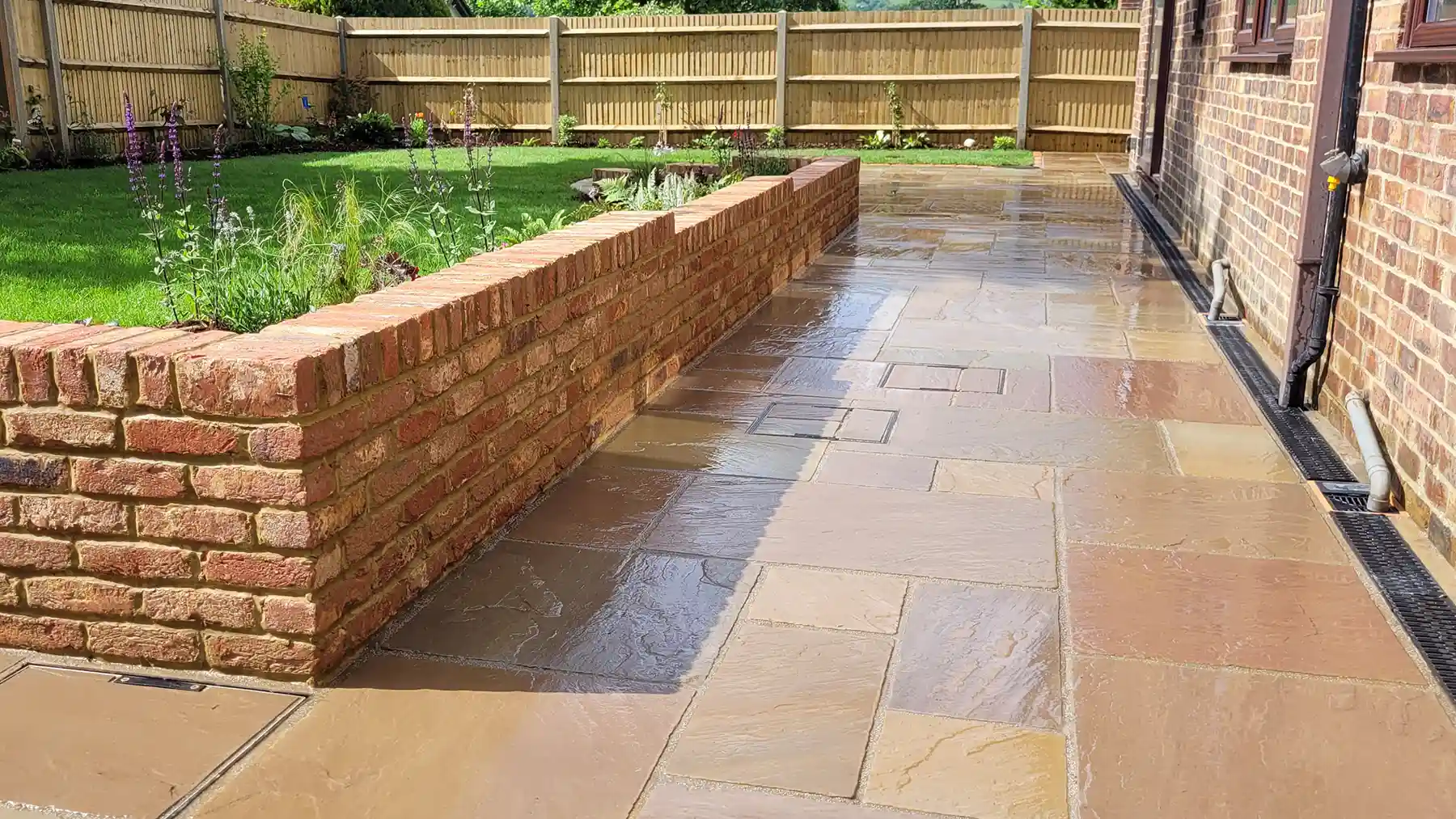
South facing gardens are highly sought-after as they capture sunshine throughout the day. Indeed, research by Rightmove has suggested that homes with south facing gardens sell faster than others and achieve higher prices.
So, a south facing garden is a significant asset and one that you should certainly make the most of. But all that wonderful sunshine can present issues that you will need to address if you are to maximise your enjoyment of your outside space. You can have too much of a good thing! If you are to avoid overheating or suffering from sunburn while relaxing outdoors, you may need to introduce shade. Happily, there are several ways to create shade that won’t negatively impact the look and feel of your space.
Plant Trees and Shrubs
Adding greenery is a natural and eco-friendly way to introduce shade to your garden. Strategically positioned planting can make all the difference. Deciduous trees are ideal because they provide shade in summer while allowing sunlight to filter through during the winter months. Popular options include maples, birches, and ash trees. But it is important to remember that “living” shade takes time to develop. You could achieve quicker results by planting fast-growing varieties such as poplar or willow. Planting larger, more mature specimens will speed up the process but mature plants are more costly. Tall shrubs like privet or laurel can be used to create shaded corners or to screen small areas from the sun.
Install a Pergola
Structural solutions including pergolas and obelisks provide a stylish way to add both shade and character to your garden. You will find pergolas that feature retractable roofs or slats that enable you to control the amount of sunlight that filters through. Climbing plants can be positioned to grow over garden structures but as with planting trees and shrubs, it will take time for the climbers to mature, cover the structures and provide the shade you seek.
You can bring vibrant colour to your space with flowering climbers such as wisteria, honeysuckle, bougainvillea or clematis. These species won’t provide as much shade as evergreen varieties, but they will enhance the aesthetics of your garden.
Pergolas originated in Italy and were first used in the 17th century. During the 19th century, pergolas became popular in the UK and were utilised by celebrated designers including Gertrude Jekyll and Sir Edwin Lutyens. These structures complement diverse architectural styles and can be as simple or ornate as you wish.
Use shade Sails
Shade sails are versatile, contemporary solutions if you need protection from the sun. Choose sails fashioned from UV-resistant fabrics that don’t easily fade. Sails are available in a variety of shapes, sizes and colours to suit different properties and can be arranged to cover patios, decking or specific areas of your garden. Stretched between posts and garden structures or anchored to the external wall of the house, shade sails can cover large seating areas to provide shade while lending interest to the space.
Invest in a parasol
If shading your patio or seating area is your primary concern, a free-standing parasol could be all you need. You will discover diverse shapes and sizes to choose from and so there is sure to be a stylish parasol that would be the perfect fit. A cantilever (offset) parasol will enable you to keep the base of the piece out of the way of your seating. Most cantilevered parasols boast shades that can be angled and adjusted according to the movements of the sun.
Incorporate awnings
Retractable awnings can be fitted to the external walls of your home to shade patios, windows, or doors. Readymade awnings are available but if you invest in more costly bespoke awnings, you will be able to choose from a huge variety of fabrics, ensuring that your awnings perfectly complement your home and outdoor furnishings.
Build a gazebo or garden room
Gazebos and garden rooms enable you to enjoy your garden whatever the weather. Open sided gazebos ensure that you are shaded and also shielded from rain while still being seated outdoors. Garden rooms provide seating indoors but can be designed to feature generous sliding or bifold doors that blur the lines between inside and outdoors when opened.
Of course, glazed doors allow sunlight to pour in and could mean that the interior of your garden room becomes too hot. Hang blinds or choose doors with integrated blinds to ensure that the space always provides a comfortable environment in which to relax.
Are there other ways to mitigate heat?
If your patio or any area of your garden becomes uncomfortably hot in the summer sunshine, there are ways to mitigate the problem:
Final Thoughts
Creating shade in a south-facing garden will improve your comfort and so will ensure that you can enjoy your outside space throughout the year. Plants, trees, sails, parasols and pergolas could also enhance the beauty of your garden and lend interest to specific areas of it. With a little planning, you can achieve the perfect balance between sun and shade. That balance will enable you to truly relish your garden while ensuring that your plants are able to thrive.

Posted by Scott Kennedy