

Pruning is an essential gardening skill that helps maintain the health, shape, and productivity of your trees and shrubs. Whether you’re tending to ornamental shrubs, fruit trees, or flowering perennials, knowing how to prune correctly can make a significant difference to the appearance and vitality of your garden.
So, why should you prune, when should you prune and how should you prune?
Why Prune Plants?
Pruning offers several benefits and so it is certainly worth making the effort to prune your plants:
When should you prune?
The optimal pruning time will depend on the type of plant concerned and what you wish to achieve.
Deciduous Trees and Shrubs
It is important to understand when sap is rising in your specimens. Some plants leak sap from wounds or pruning cuts, and this is known as bleeding.
In birch and Japanese maples, sap starts to rise early in the year. These trees should ideally be pruned in autumn or early winter. Grapevines, acers and birches are particularly prone to bleeding and so should be pruned while dormant. Try to prune deciduous magnolias and walnut trees between mid-summer and early autumn. This will enable you to avoid excessive bleeding.
Cherry trees and plum trees are prone to the fungal disease called silver leaf. These trees should be pruned between April and July. This is the time when fungal spores aren’t being carried on the wind, and also when the tree sap is rising rather than falling. When tree sap is rising, it ejects infections.
Evergreen Trees and Shrubs
Confers can be pruned from late spring until the end of summer. Those other than yews won’t regrow from old, bare wood and so you can remove new growth tips to control the sizes of the trees. Prune the top of the main trunk of conifers if you wish to slow upward growth.
Non-coniferous tress including holly, strawberry trees and mimosa are best pruned in spring.
Roses
February and March are good months for pruning most types of rose. However, climbers should be pruned earlier, between December and February. Ramblers are best pruned in late summer after flowering.
Flowering Shrubs
Spring-Flowering Shrubs such as lilacs and forsythia should be pruned immediately after flowering. These plants bloom on old wood, so pruning in late winter will remove new buds.
Summer-Flowering Shrubs including buddleia, hydrangeas and hibiscus are best pruned in late winter or early spring, as they bloom on new growth.
Fruit Trees should be pruned late winter to early spring as this will encourage strong growth and a good harvest. Summer pruning can also be performed to control size and shape.
Perennials
Deadhead (remove spent flowers) throughout the growing season to encourage more blooms. Cut back perennials in late autumn or early spring, depending on the species.
What tools do you need for pruning?
The right tools are crucial for effective pruning. The tools you need will be dictated by the trees and shrubs that feature in your garden.
How do you prune correctly?
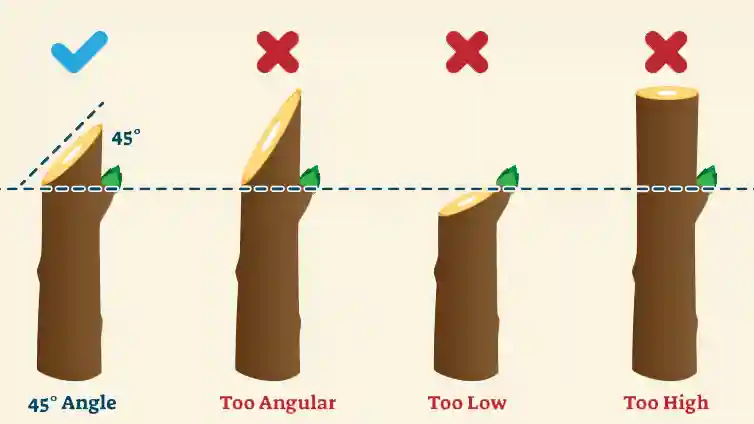
Pruning correctly requires a good understanding of the growth habits of the plant concerned. There are many different species and so it isn’t possible to provide specific instructions for every plant here. For this reason, it is worth doing your research before cutting back any tree or shrub. But here’s what you need to do, once you have identified the specific requirements of your plant:
What are the common pruning mistakes to avoid?
As with any aspect of gardening there are common mistakes that you should try to avoid when pruning your plants:
Is pruning an art or a science?
Pruning is both an art and a science. When performed correctly, pruning will greatly enhance the health and beauty of your garden. By understanding the specific needs of your plants and attending to these, you can ensure your plants remain healthy, productive, and visually appealing. Happy gardening!

Posted by Scott Kennedy