
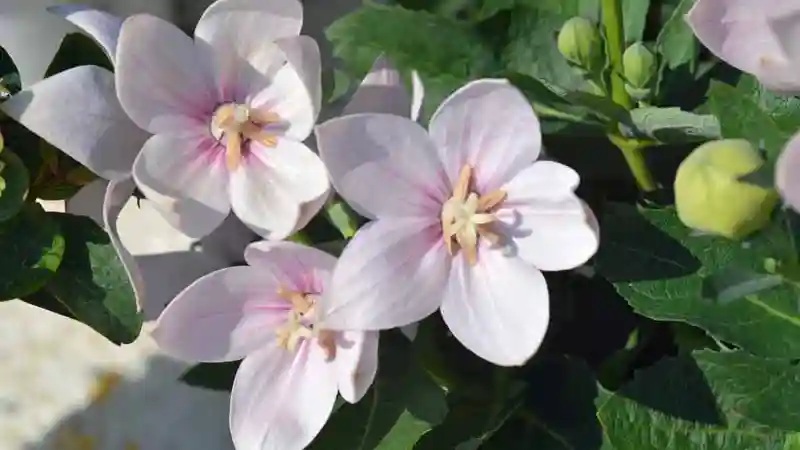
When planning your garden, it can be hard to choose your plants as there are so many exciting options. All gardens would benefit from the splashes of colour or white highlights provided by flowers.
If you wish to feature flowering plants in your garden, you will need to decide whether those plants should be annuals or perennials.
Annual flowering plants only live for one year while perennials will live for several years. As the plants you choose for your garden will impact its aesthetics, health and maintenance requirements, it is worth taking the time to consider what would work best for both you and your space.
Annuals certainly give you a wonderful array of colours to choose from and are ideal for beds, baskets and containers. But most gardens would benefit from the inclusion of perennials too.
What are primary benefits of perennials?
There are many good reasons to invest in flowering perennials:
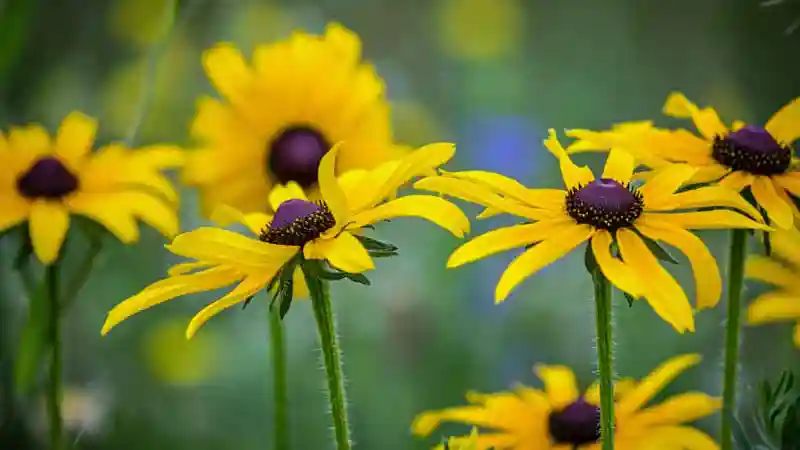
Downsides of perennials
As with most things in life, there are potential downsides to planting perennials. You will need to weigh these up against the advantages of the plants to decide what’s best for your circumstances.
Which flowering perennials should you choose?
There are so many excellent flowering perennials that we couldn’t possibly mention all of your choices here. However, we can recommend a few special plants that are definitely worthy of your attention:
Flowering perennials for shady areas
Long-flowering perennials
Perennials for coastal gardens
Flowering perennials for exposed hillsides
Perennials for vibrant colour
How do you decide which perennials to feature?
Before investing in your perennials, establish the height of plant that you need for each area of your garden. You should also think about colour schemes as it is important to choose flowers that work well together.
You can then explore your options. Gather information about the plants that you like to ensure that they will grow to suitable heights and that their spreads wouldn’t negatively impact other specimens.
Choose species that are suited to your soil and location. Try to source perennials with flowers that complement both each other and your existing flowers. Think about when the plants will flower and for how long. Do you want all your flowers to bloom at the same time or would you prefer to spread flowering times across the year?
Create a list of suitable plants. It can help to print images of the plants in flower and then experiment with combinations. Try to work on one area of your garden at a time and to complete that space before moving on to another. It is much easier to cope with planting one bed at a time than it is to order your thoughts regarding multiple areas of your garden.
Whichever plants you go for, if you decide that you don’t like the results, you can always move plants and/or invest in new ones. Planting perennials isn’t like laying a patio. It really wouldn’t be that difficult to undo any planting schemes that haven’t worked well for you.
It is worth thinking about engaging the services of a professional gardener who can use their knowledge and experience to evolve a planting scheme that showcases the perfect perennials for your space.

Posted by Scott Kennedy